The Villaverde de Guareña Codex
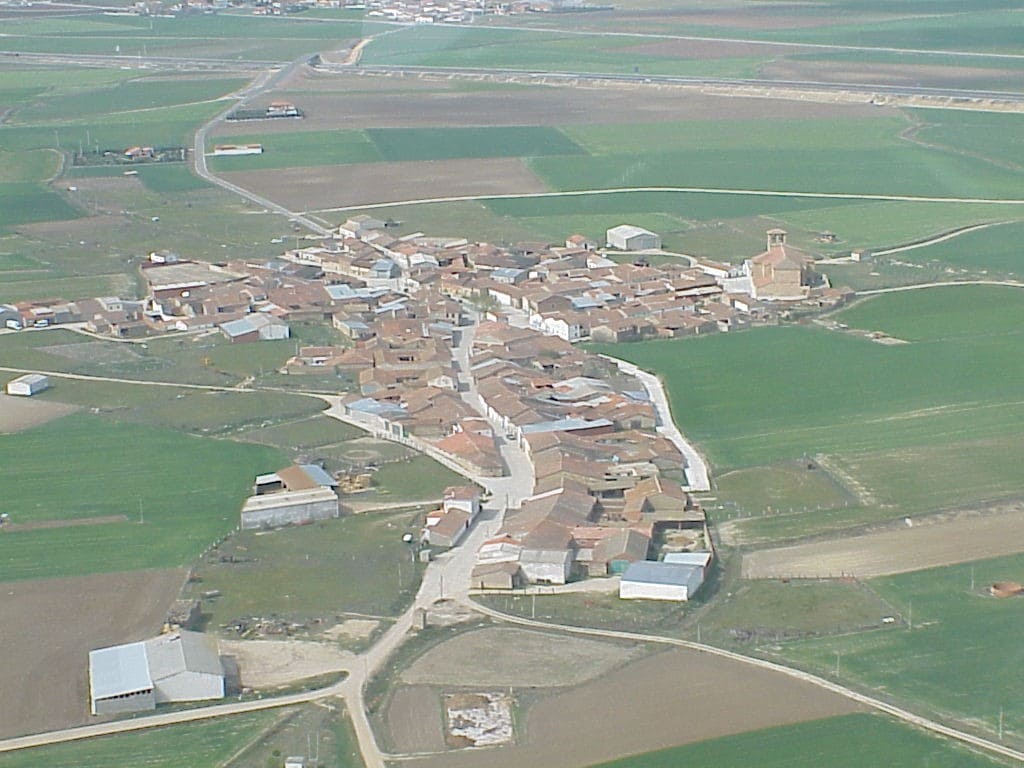
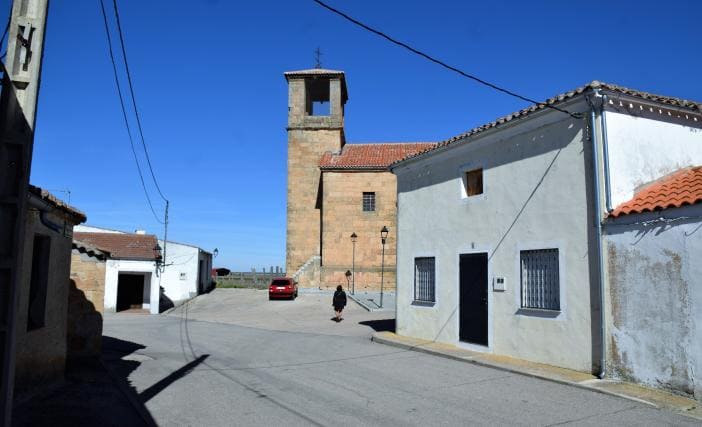
Since I was a child, I have always felt a very strong connection with Villaverde de Guareña, my village, located in the province of Salamanca, in western Spain. I loved spending time there, playing with my grandparents, being around the animals and learning about the customs and traditions that had shaped people’s lives for generations. Over the years, that affection gradually turned into a growing interest in its history and heritage. Even during my school years, when we began preparing presentations and small class projects, I often took the opportunity to talk about my village and continue learning a little more about it. When I began my studies in Conservation and Restoration of Cultural Heritage, I found the perfect opportunity to keep researching something that had always sparked my curiosity.
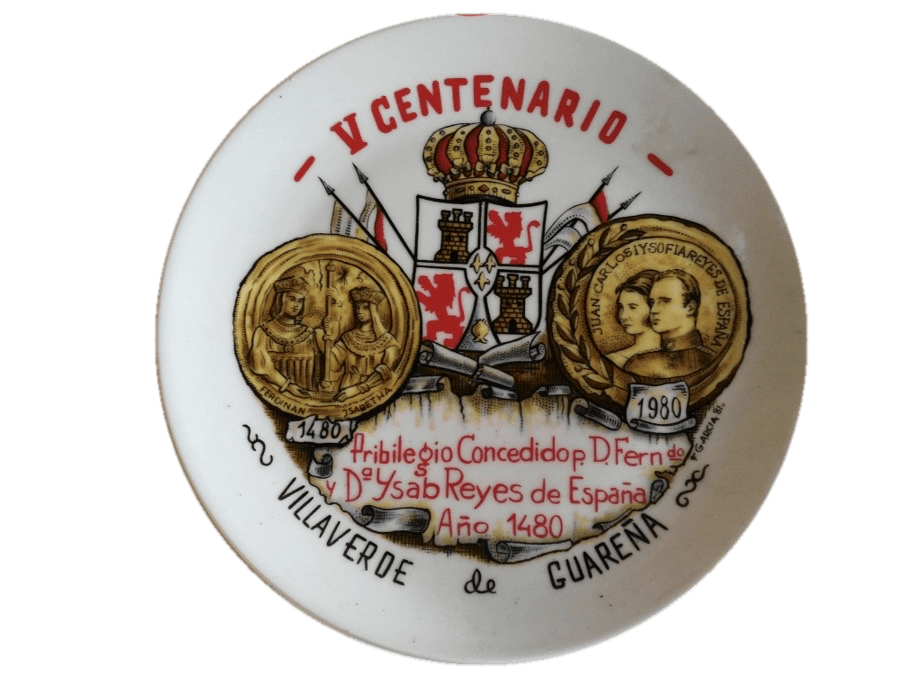
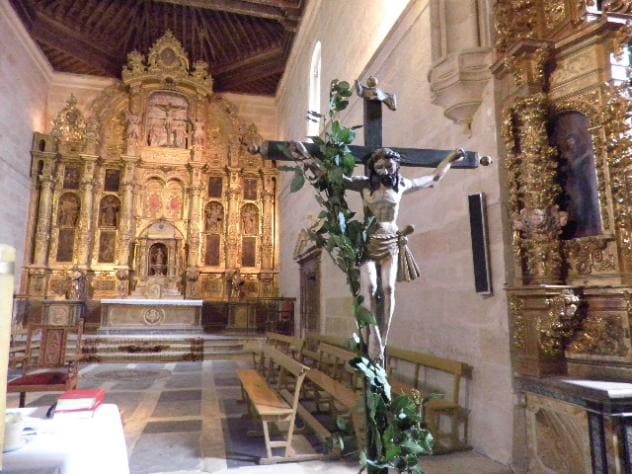
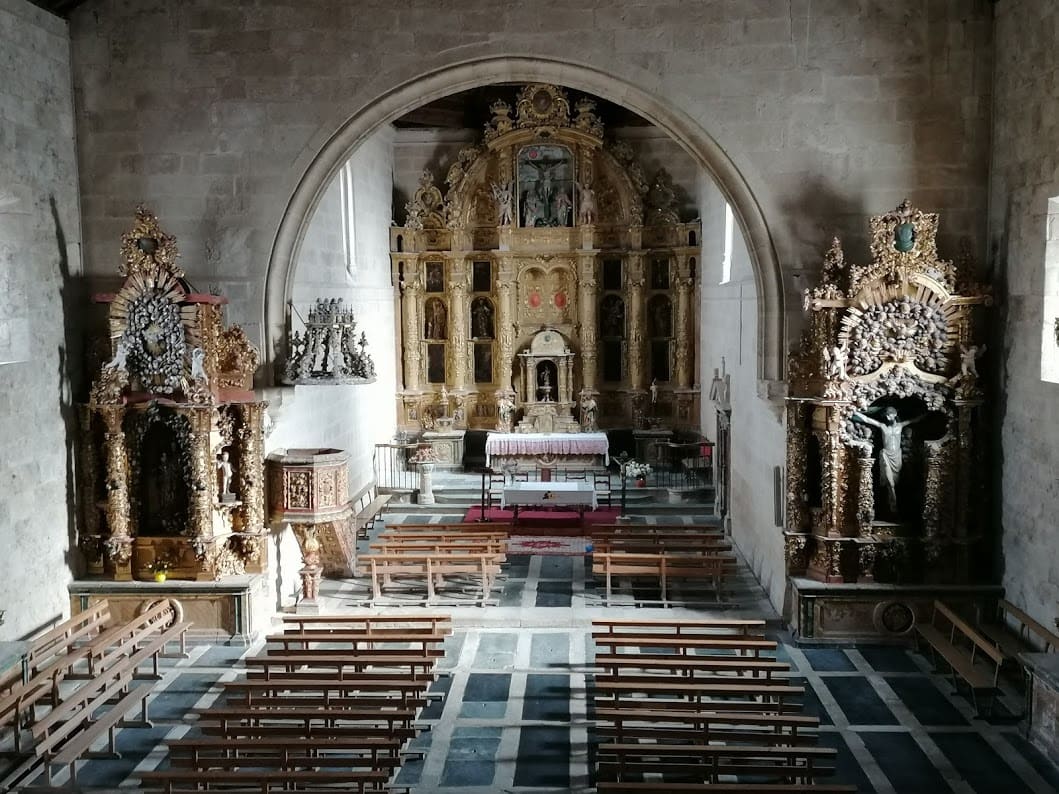
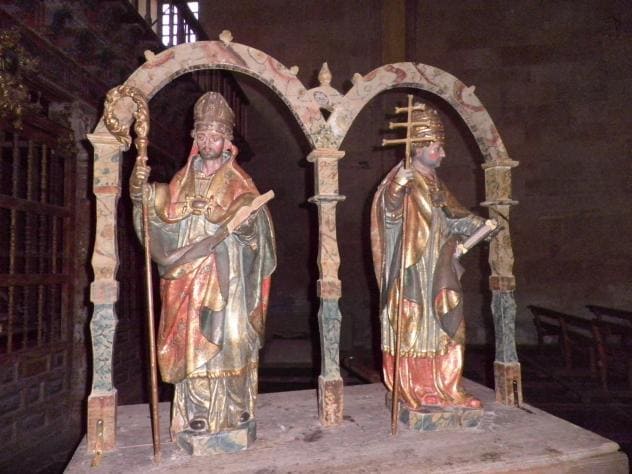
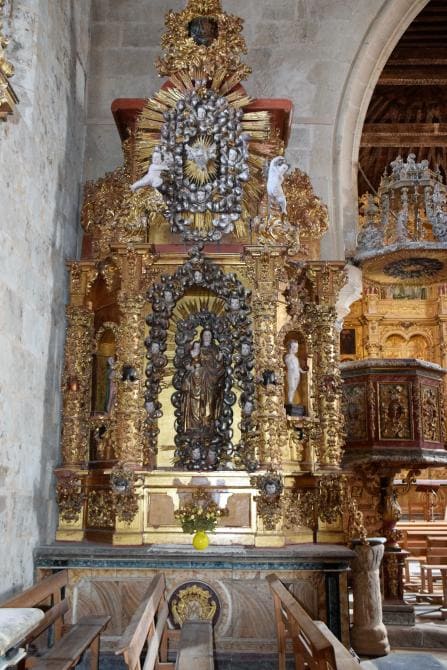
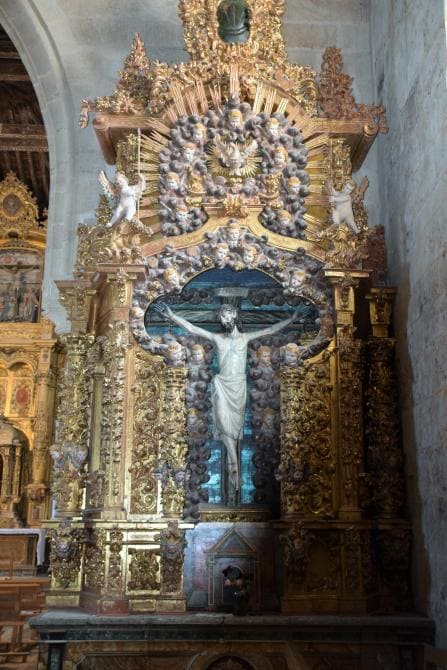
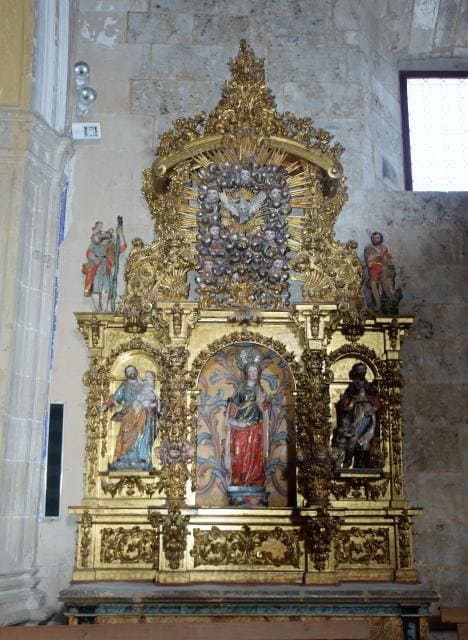
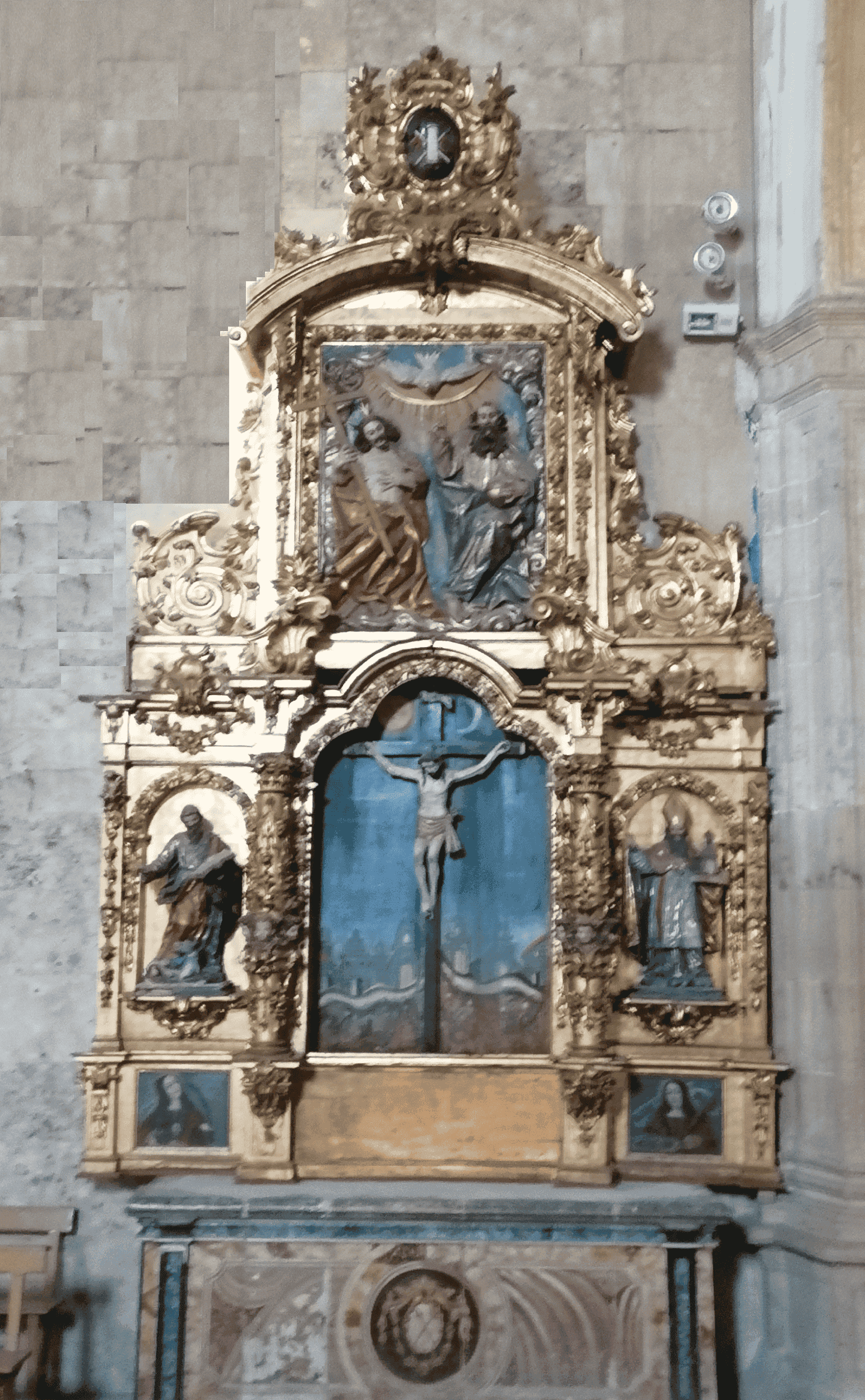
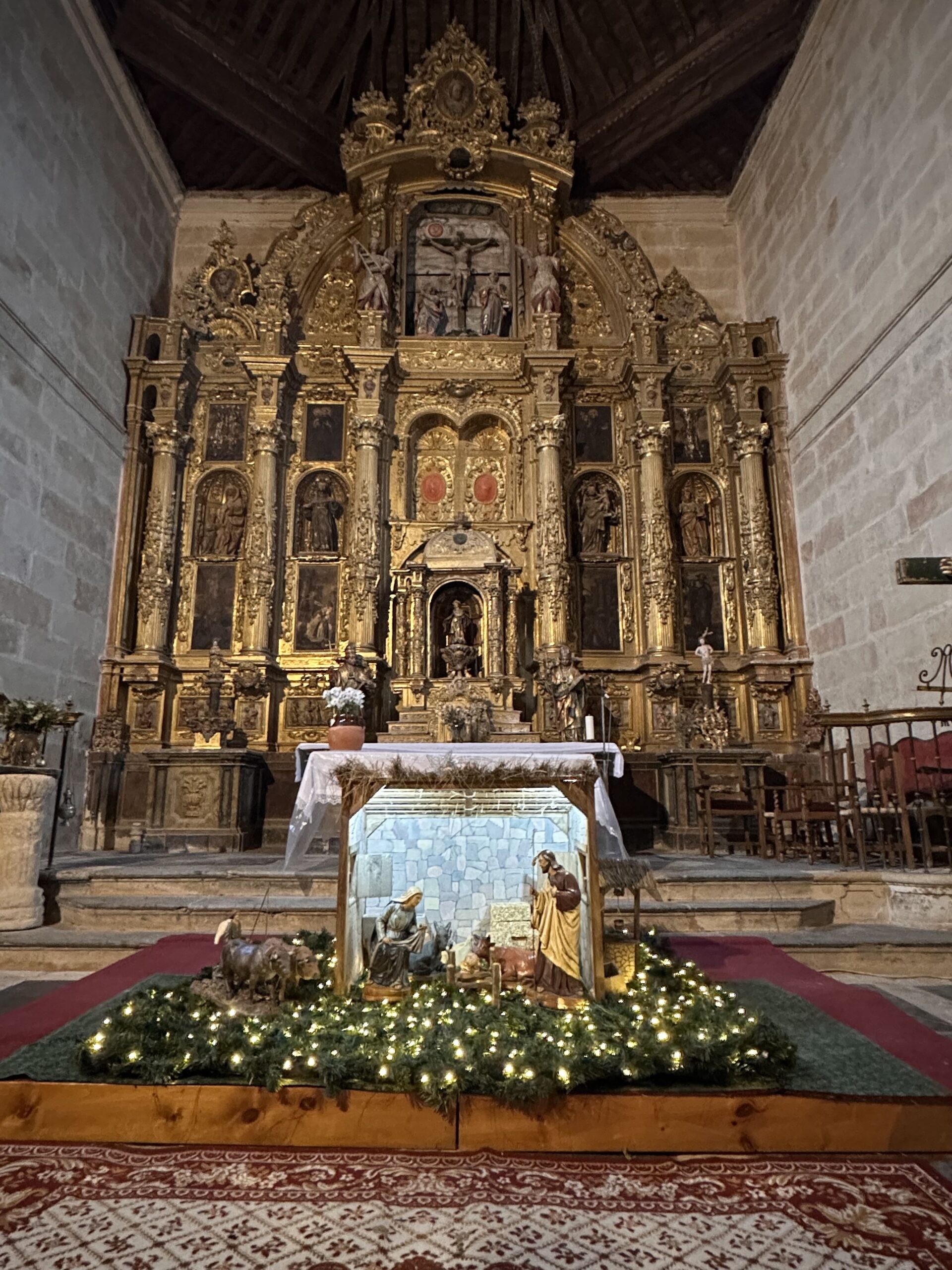
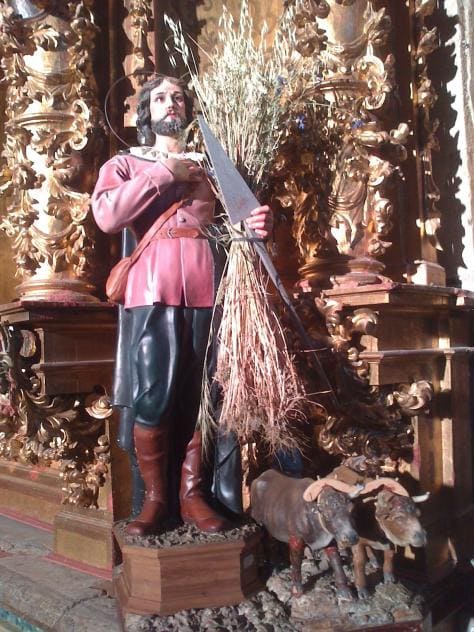
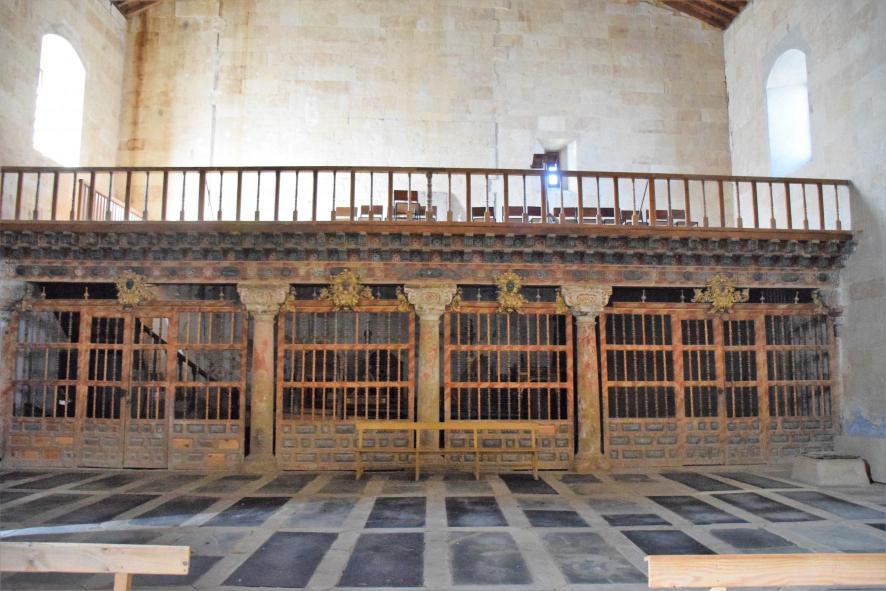
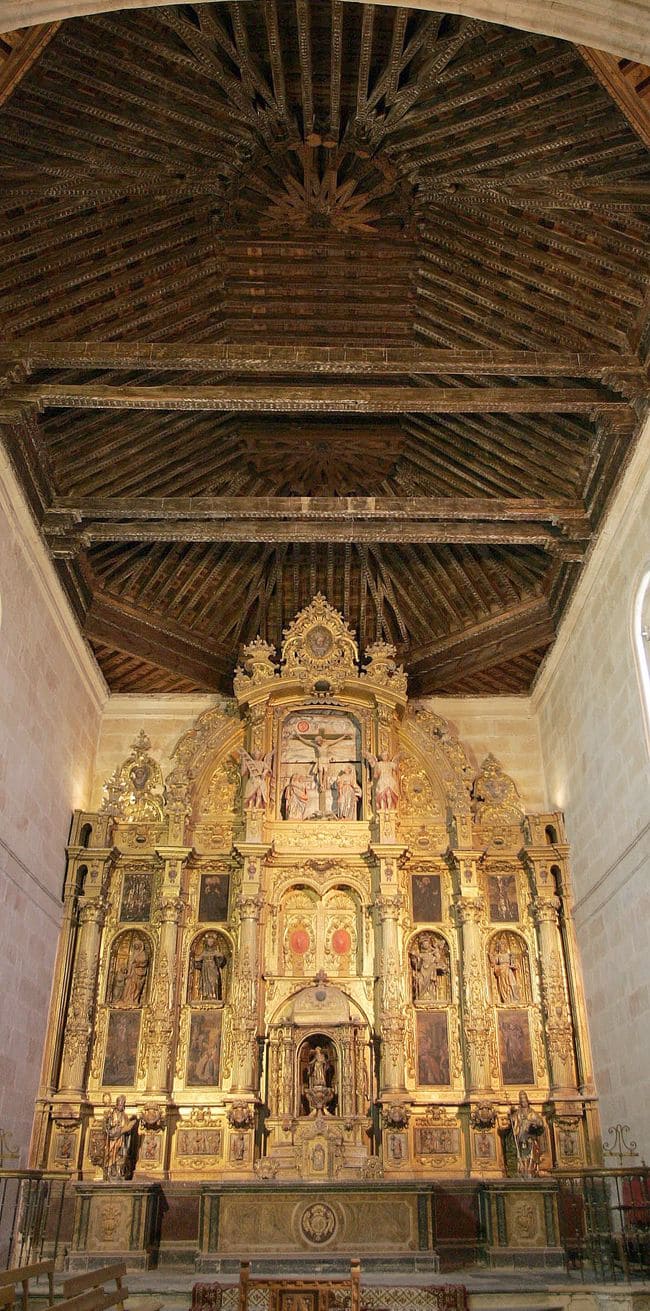
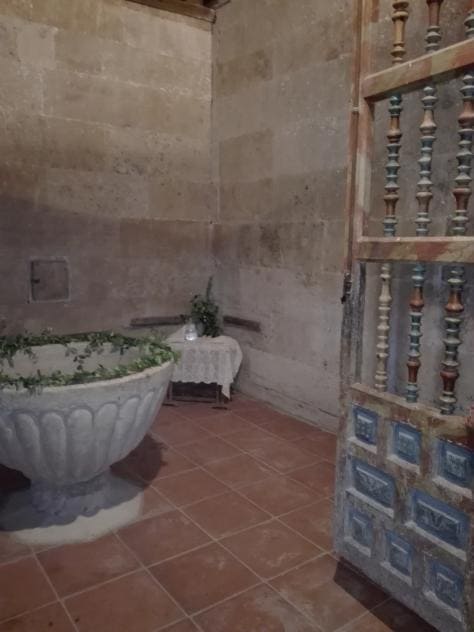
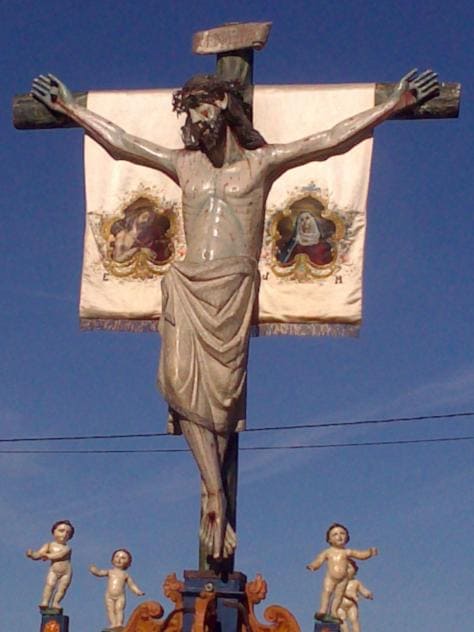
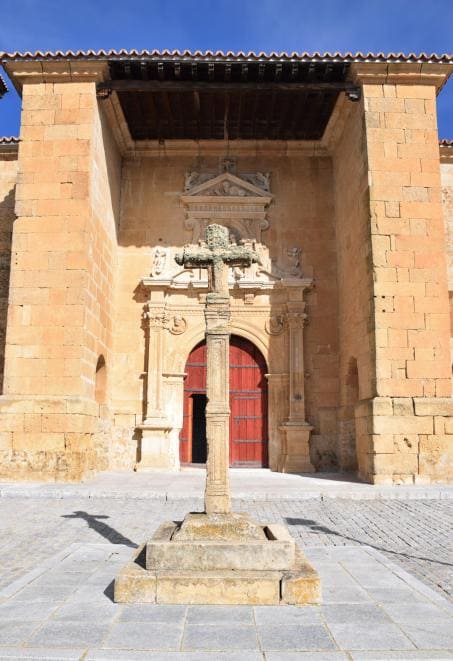
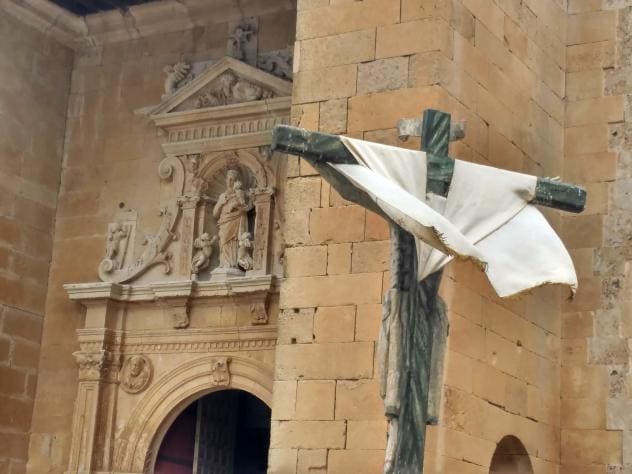
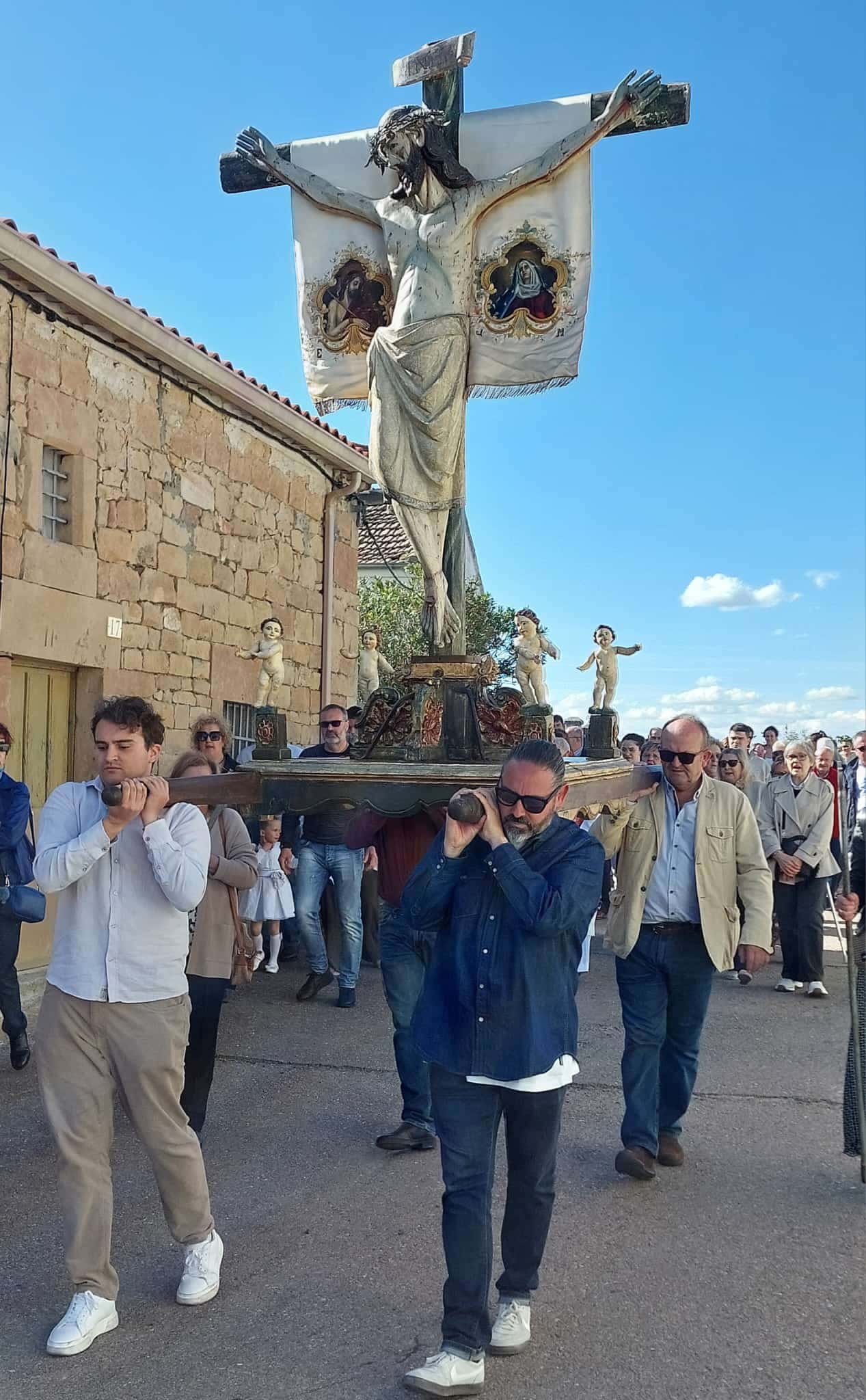
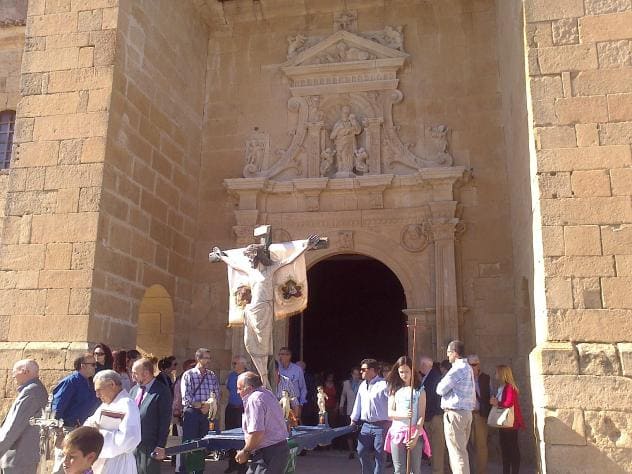
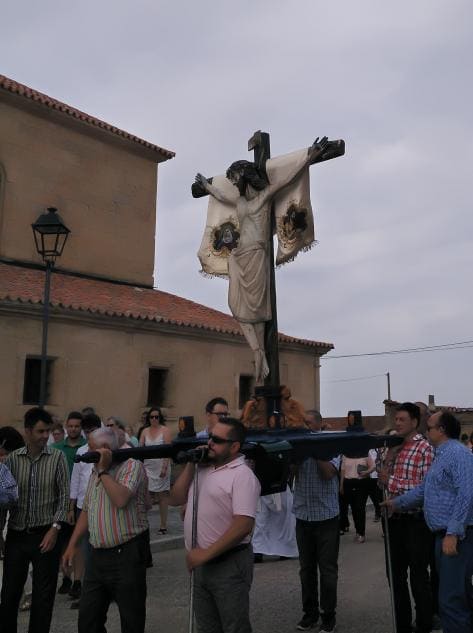
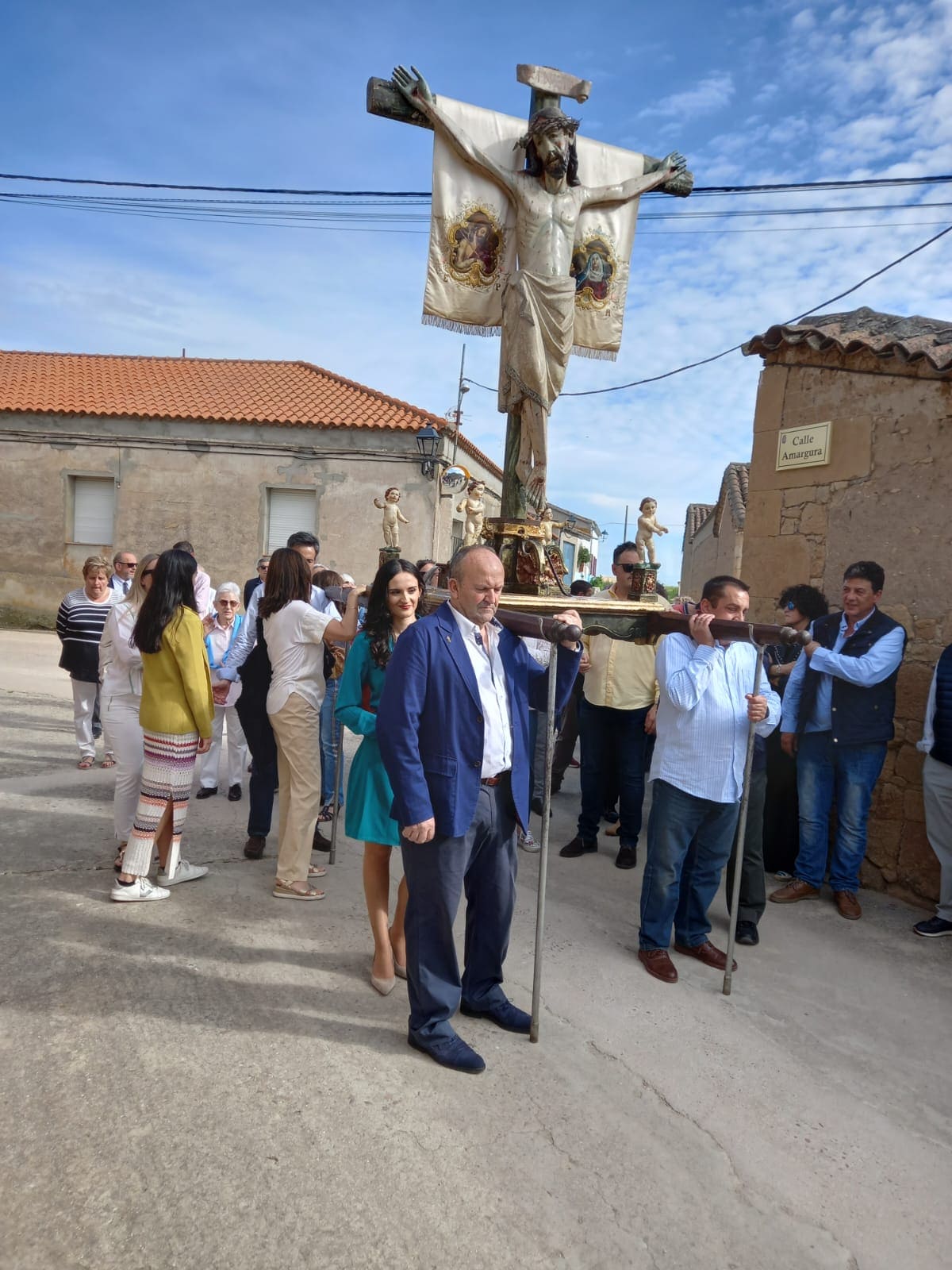
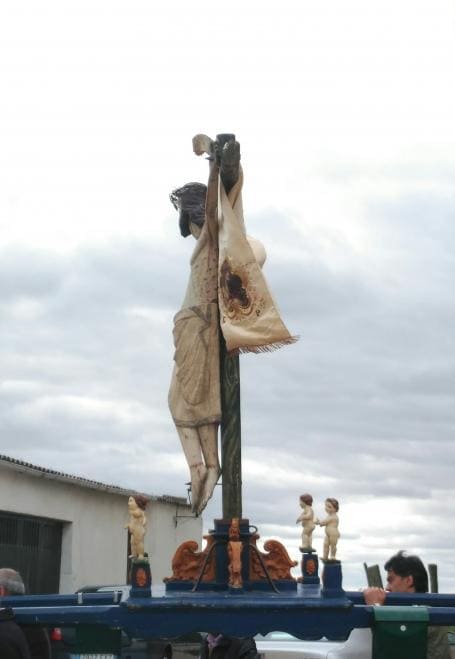
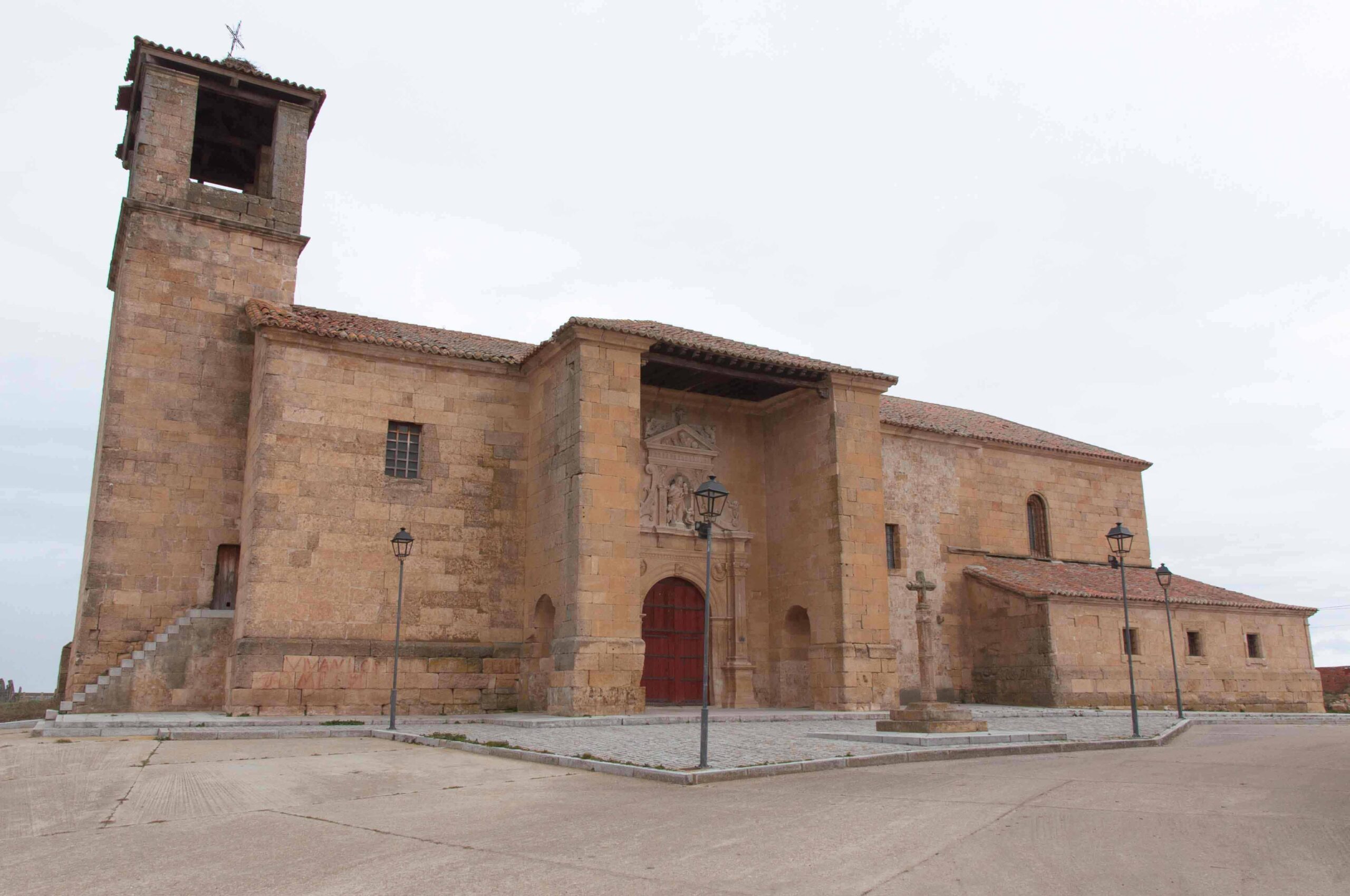
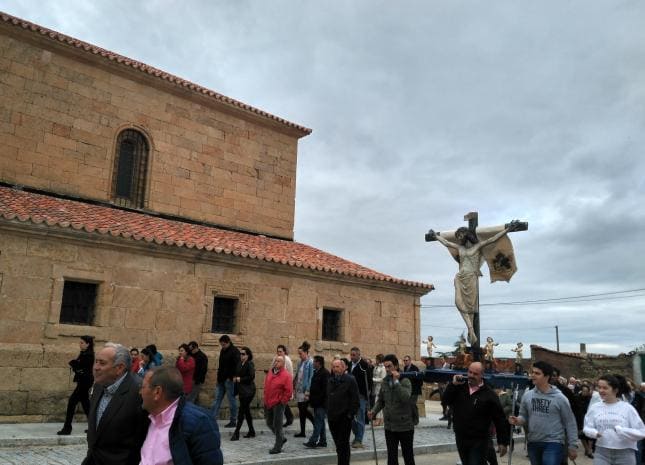
In my first year at university, one of my lecturers asked us to prepare a project on something we each considered to be heritage, and I could not help but choose my village. In that project, I wrote about many of the traditions and stories I had known since childhood, such as the legend of the discovery of the Cristo de los Sordos, the Church of San Cornelio and San Cipriano, and the artistic richness of its sculptures and impressive altarpiece. However, there was one story that had been on my mind for years.Since I was a child, I had heard that the Catholic Monarchs had visited Villaverde and granted it a privilege. According to this account, there was a book that preserved the record of that visit, although over time its whereabouts had become unknown. For a long time, I thought it might simply be a legend.
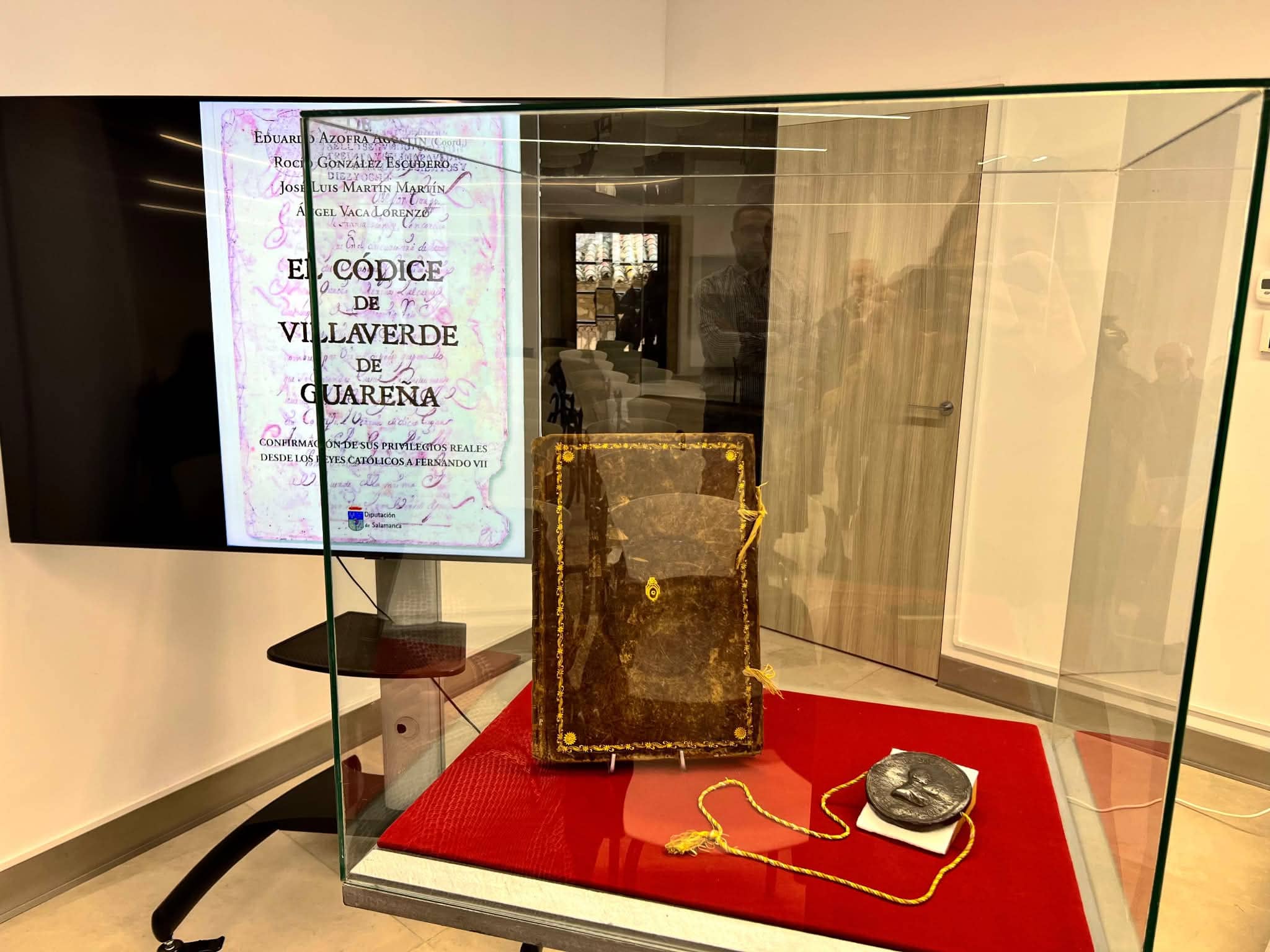
In 2019, the then mayor of Villaverde de Guareña spoke to me for the first time about the so-called Villaverde Codex. He showed me a work written on parchment and bound in leather, of extraordinary beauty and value, carefully preserved, which contained the letters confirming the privileges granted to the municipality from the Catholic Monarchs to Ferdinand VII.
For decades, the Town Council had been responsible for safeguarding the codex. It had been passed down from one municipal term to the next and protected by the different mayors of the village. Thanks to this, the book has survived to the present day in an almost impeccable state of conservation. However, it had received very little public attention. Many people in the village were unaware of its existence and, over time, the story had almost become a legend for many of its inhabitants. It was then that the work was made available to me so that I could study it.
In 2023, I finally presented my final degree project, Study and Intervention Proposal on the Privilege Granted by the Catholic Monarchs to Villaverde de Guareña. This project offered, for the first time in the history of the municipality, a complete analysis of the privilege granted to Villaverde, exempting it from the quartering of troops and military levies.
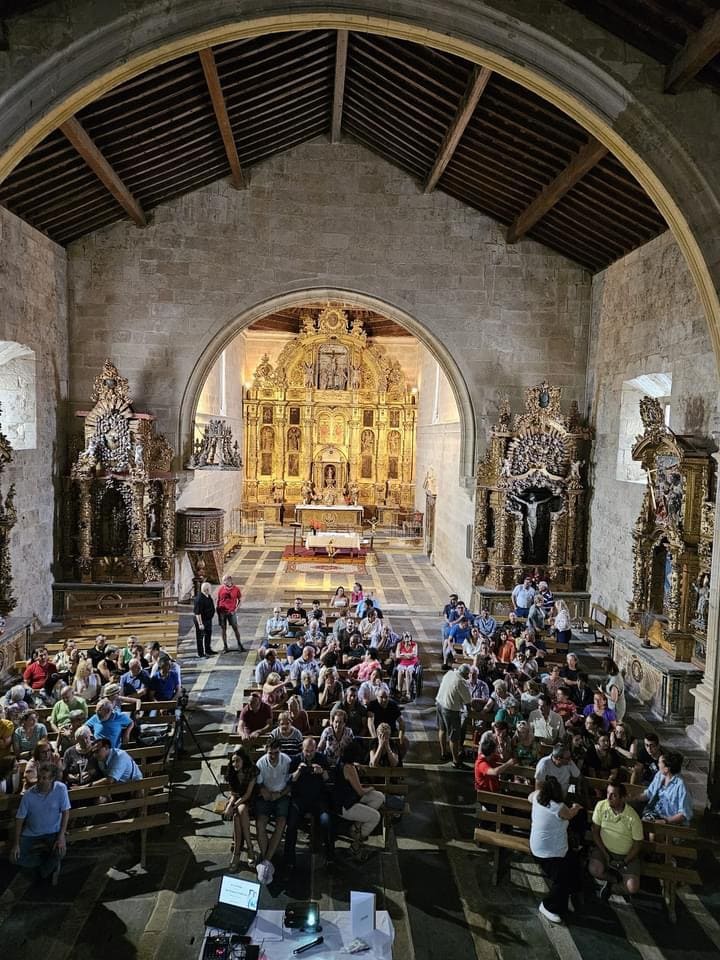
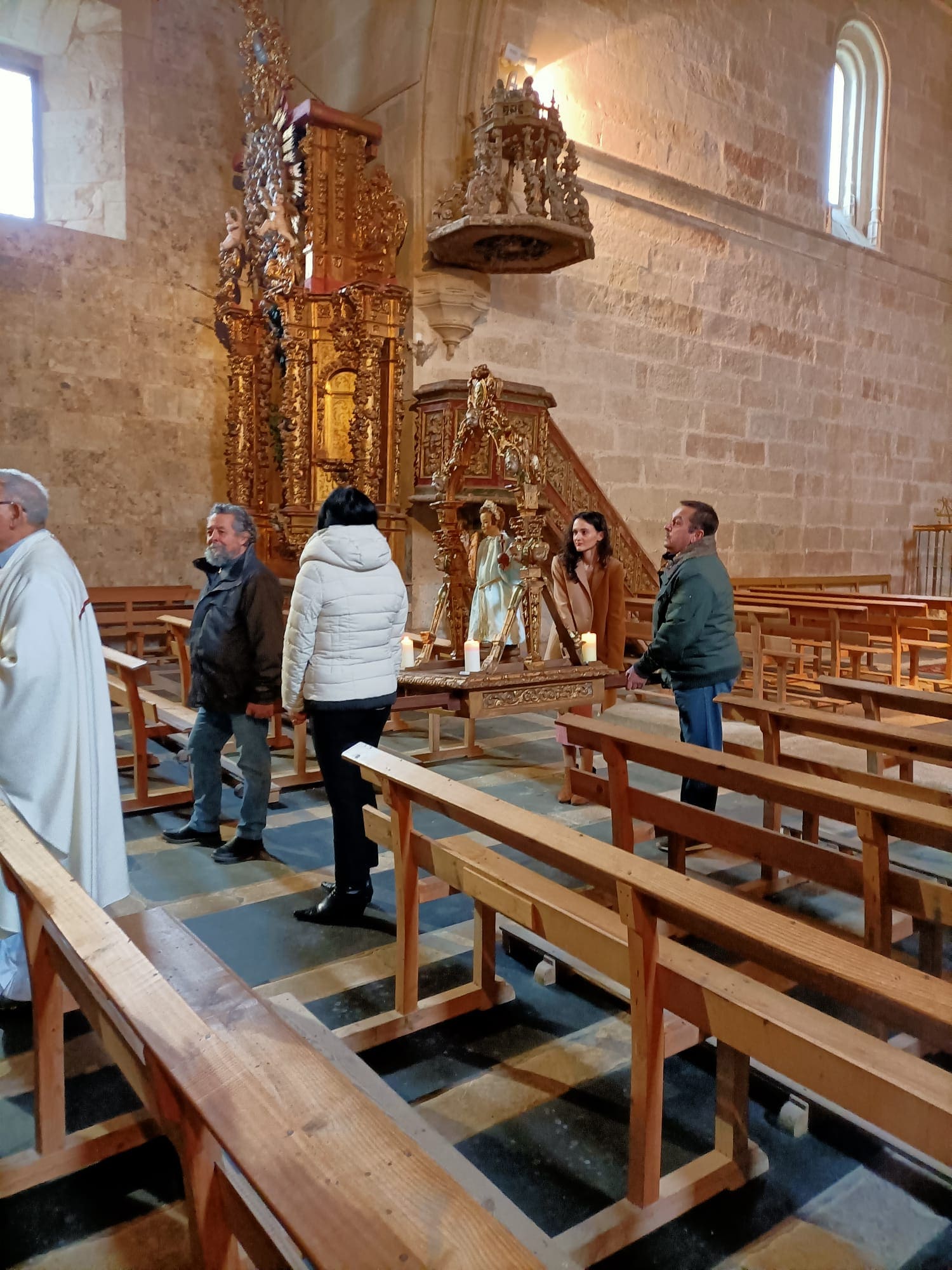
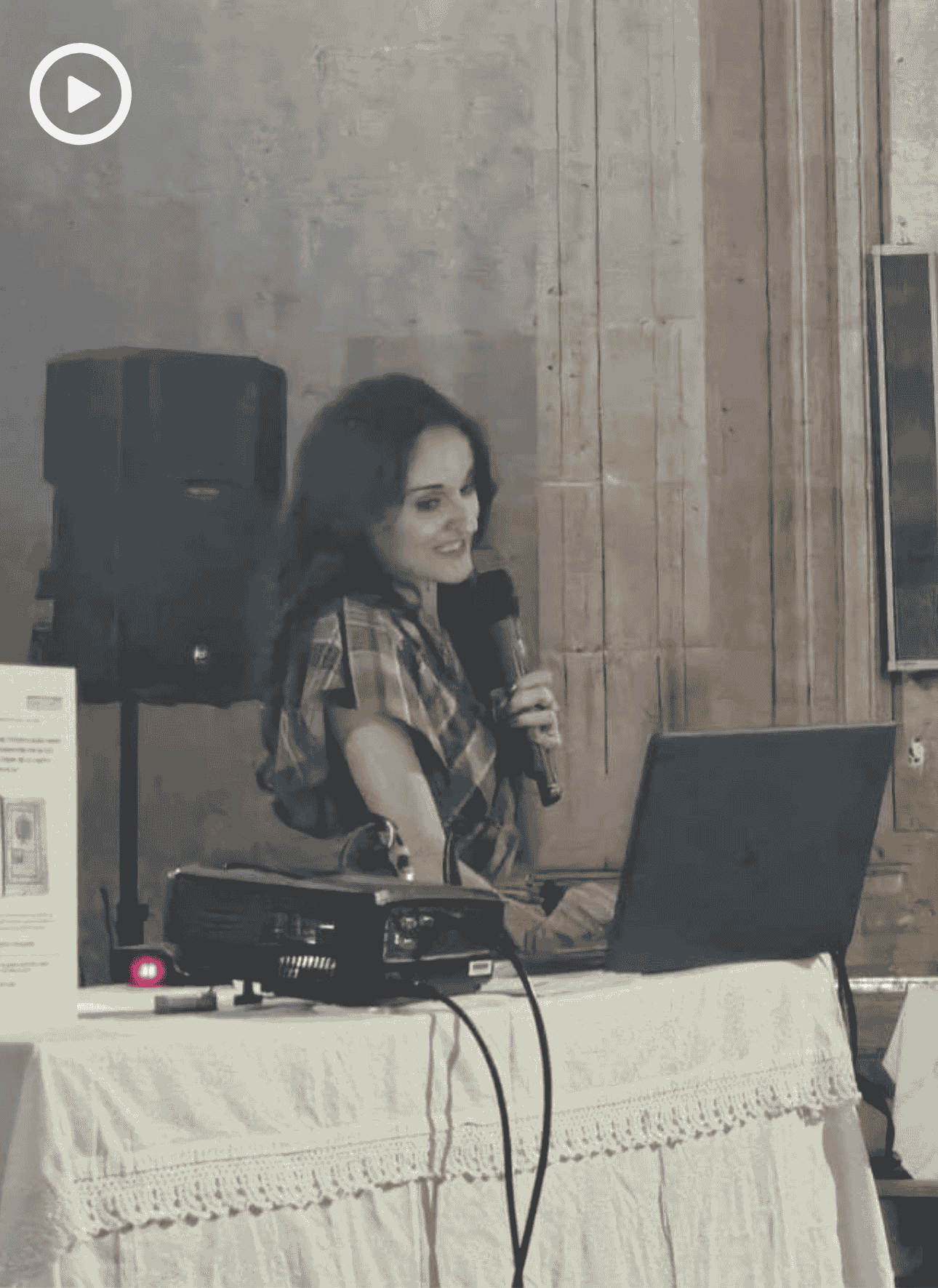
A year later, in 2024, I had the opportunity to share this research with the residents of Villaverde through a presentation held in the village church. It was a very special day, as many people discovered the existence of the Codex for the first time. In 2025, the Provincial Council of Salamanca contacted me to take part in a collective publication, together with two other authors, focused on this research.
Finally, in 2026, the book The Villaverde de Guareña Codex was published. It has been a true pleasure to contribute to this work, through which I have been able to help preserve, disseminate and enhance the value of a fundamental part of Villaverde’s history. It is moving to think that something that began seven years earlier has helped bring this story back to light, allowing it to be known and valued once again by the whole village.
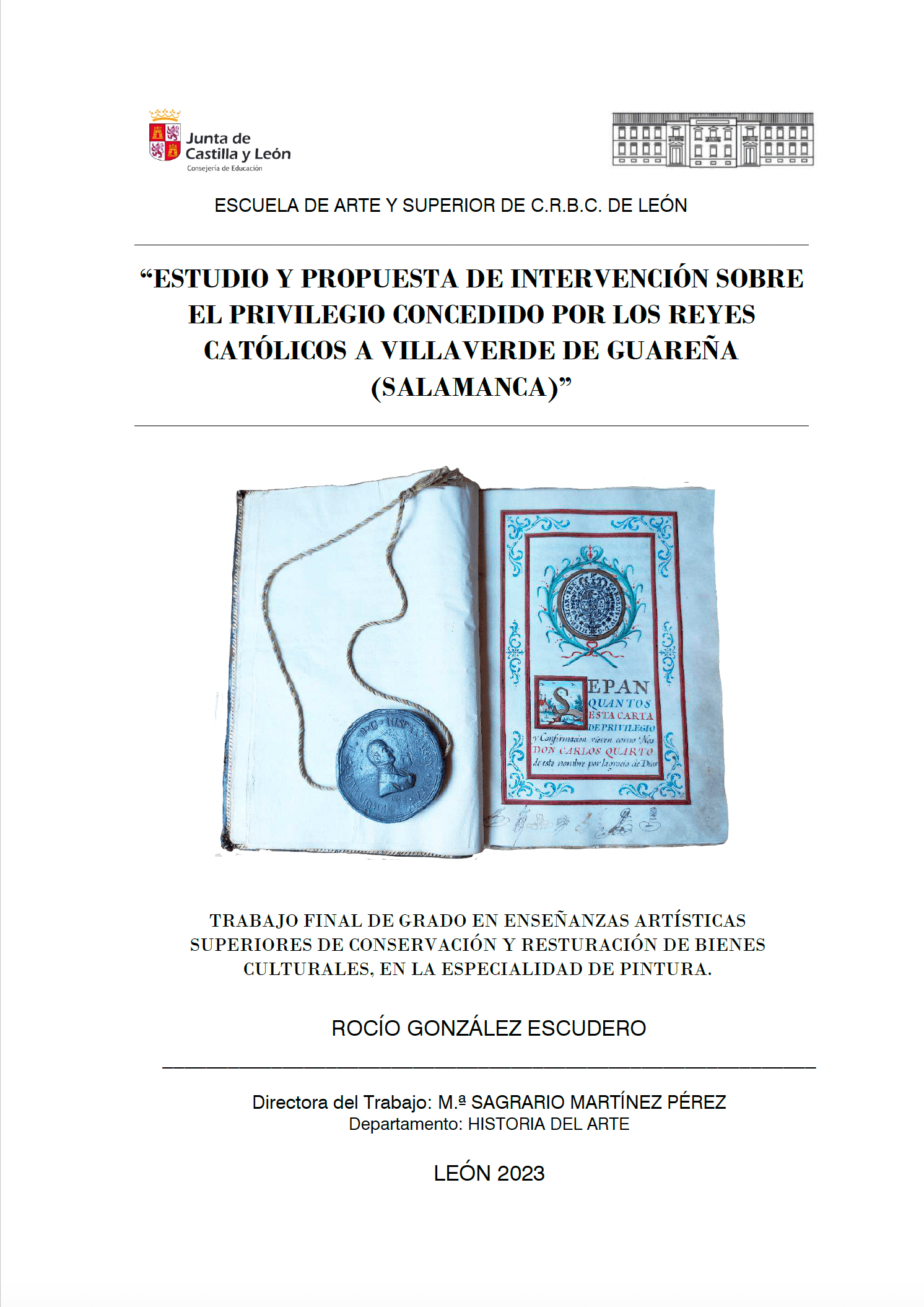
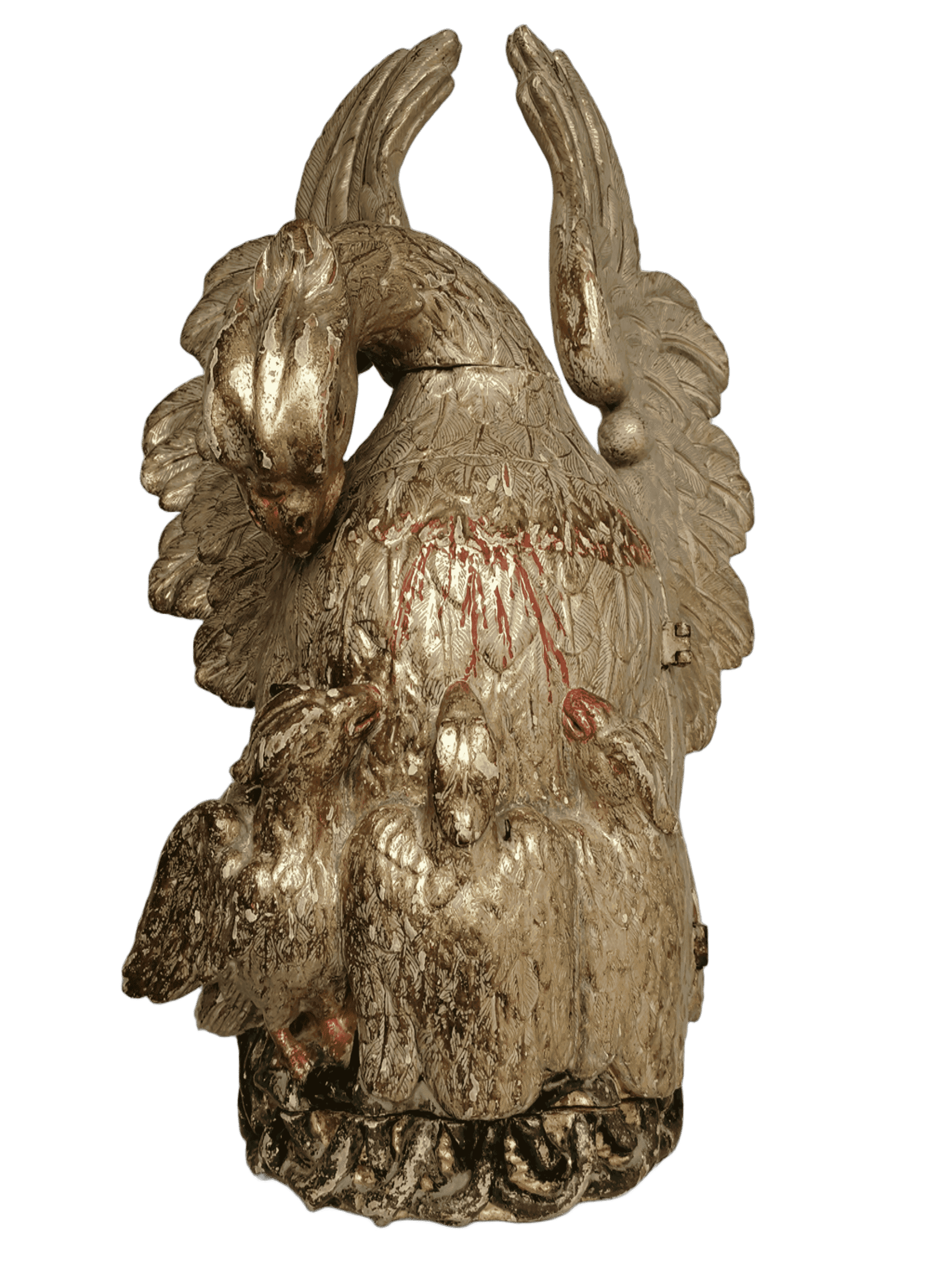
Estudio y propuesta de intervención sobre el privilegio concedido por los Reyes Católicos a Villaverde de Guareña (Salamanca)
Rocio Gonzalez Escudero
Final Degree Project in Higher Artistic Studies in Conservation and Restoration of Cultural HeritageSchool of Art and Higher School of Conservation and Restoration of Cultural Heritage of León, León, Spain, 2023
Estudio y propuesta de intervención de sagrario con forma de pelícano de la Iglesia de San Cornelio y San Cipriano
Rocío González Escudero
Research and Documentation Report (Second Year of Conservation and Restoration of Cultural Heritage)
School of Art and Higher School of Conservation and Restoration of Cultural Heritage of Salamanca, Salamanca, Spain, 2021
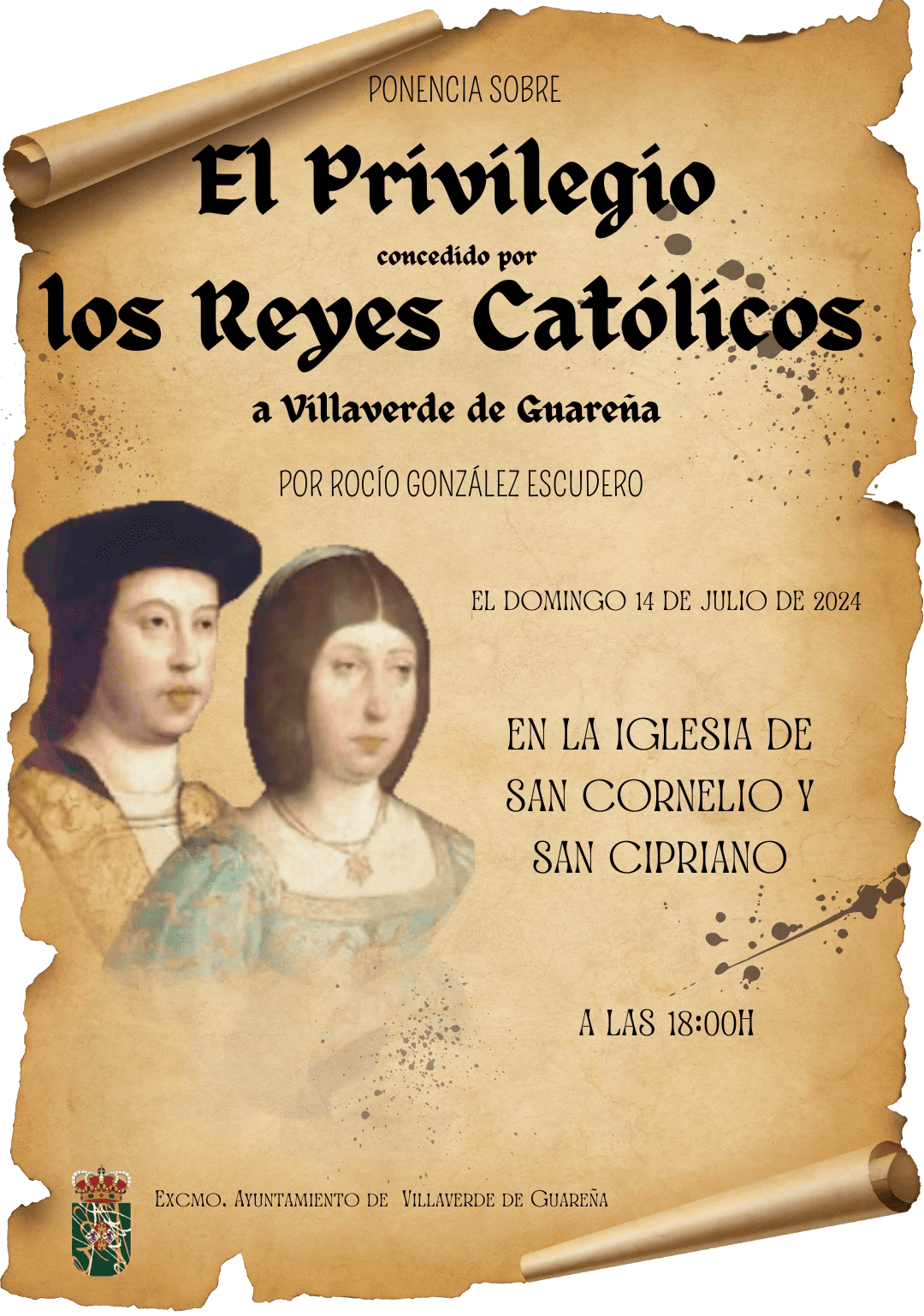
Lecture on the Villaverde de Guareña Codex and presentation of the Final Degree Project Study and Intervention Proposal on the Privilege Granted by the Catholic Monarchs to Villaverde de Guareña, Salamanca, by Rocío González Escudero
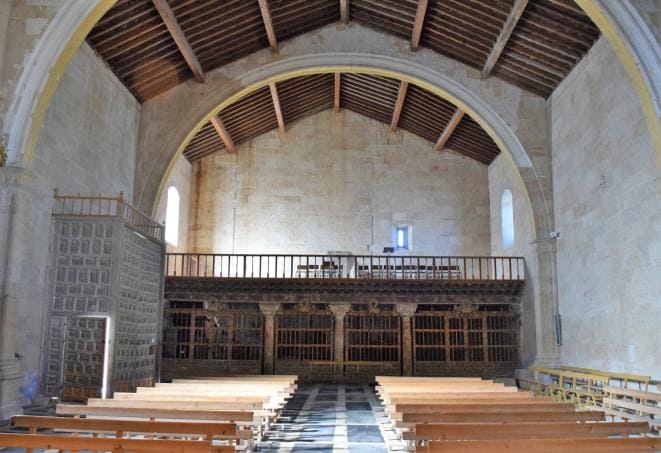
Church of San Cornelio and San Cipriano, Villaverde de Guareña, Salamanca, Spain
14 July 2024
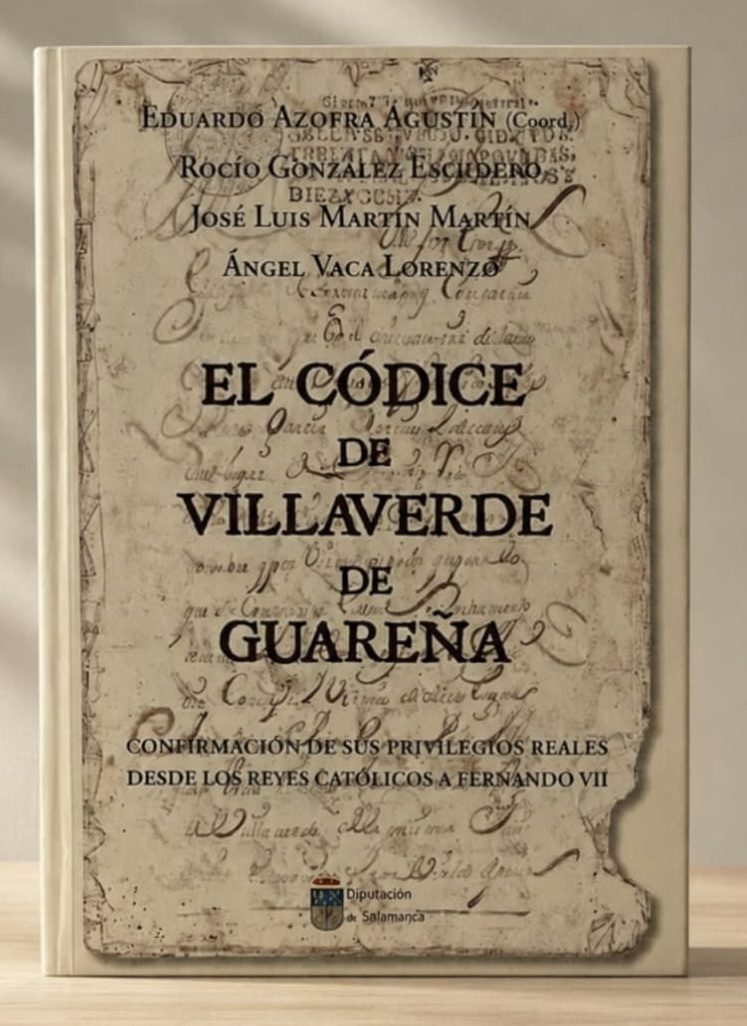
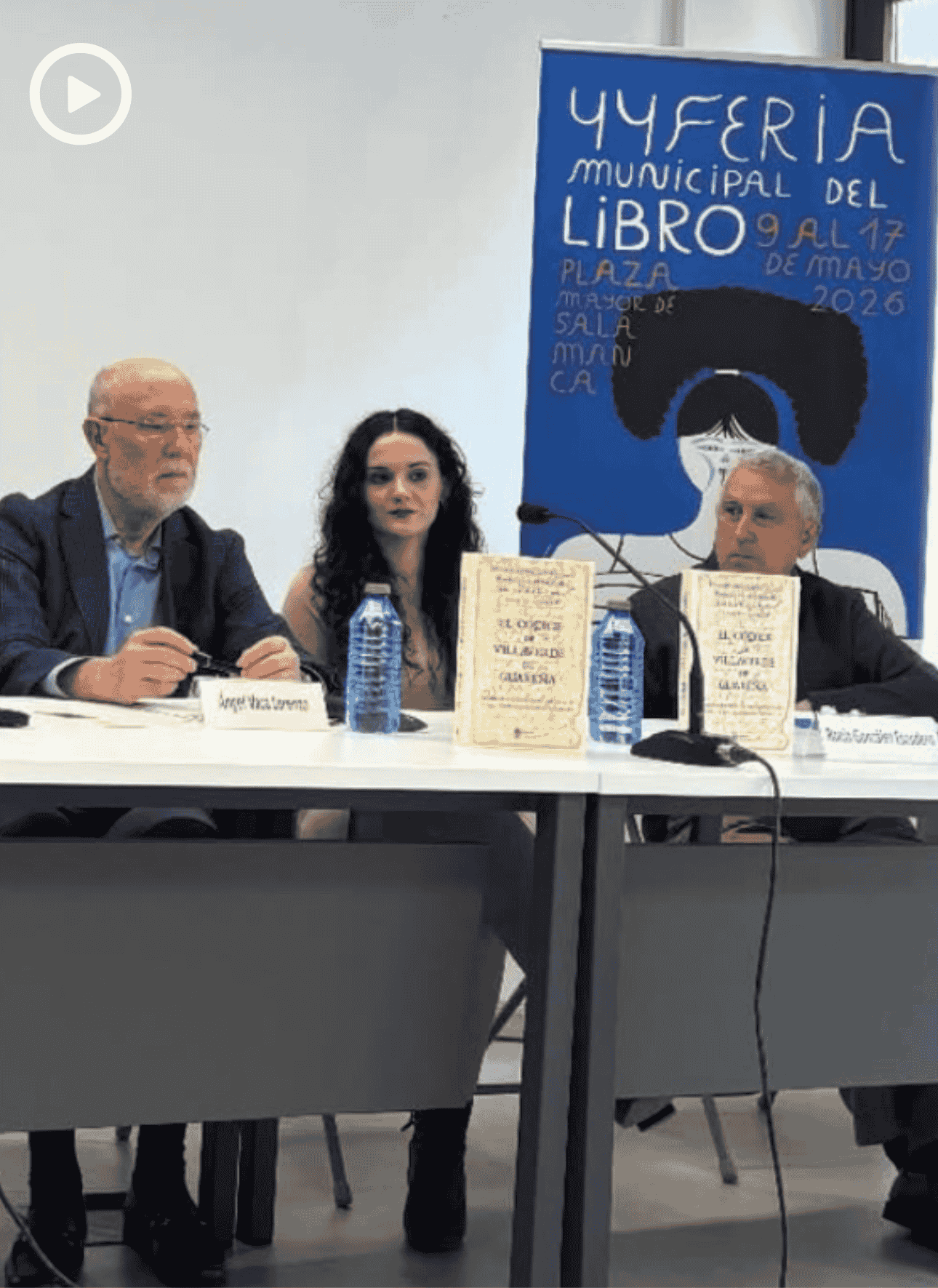
The Villaverde de Guareña Codex: Confirmation of its Royal Privileges from the Catholic Monarchs to Ferdinand VII
Rocío González Escudero · José Luis Martín Martín · Ángel Vaca Lorenzo, Eduardo Azofra Agustín, ed.
Provincial Council of Salamanca, Salamanca, Spain, 2026
ISBN: 978-84-7797-795-7
Available in bookshops
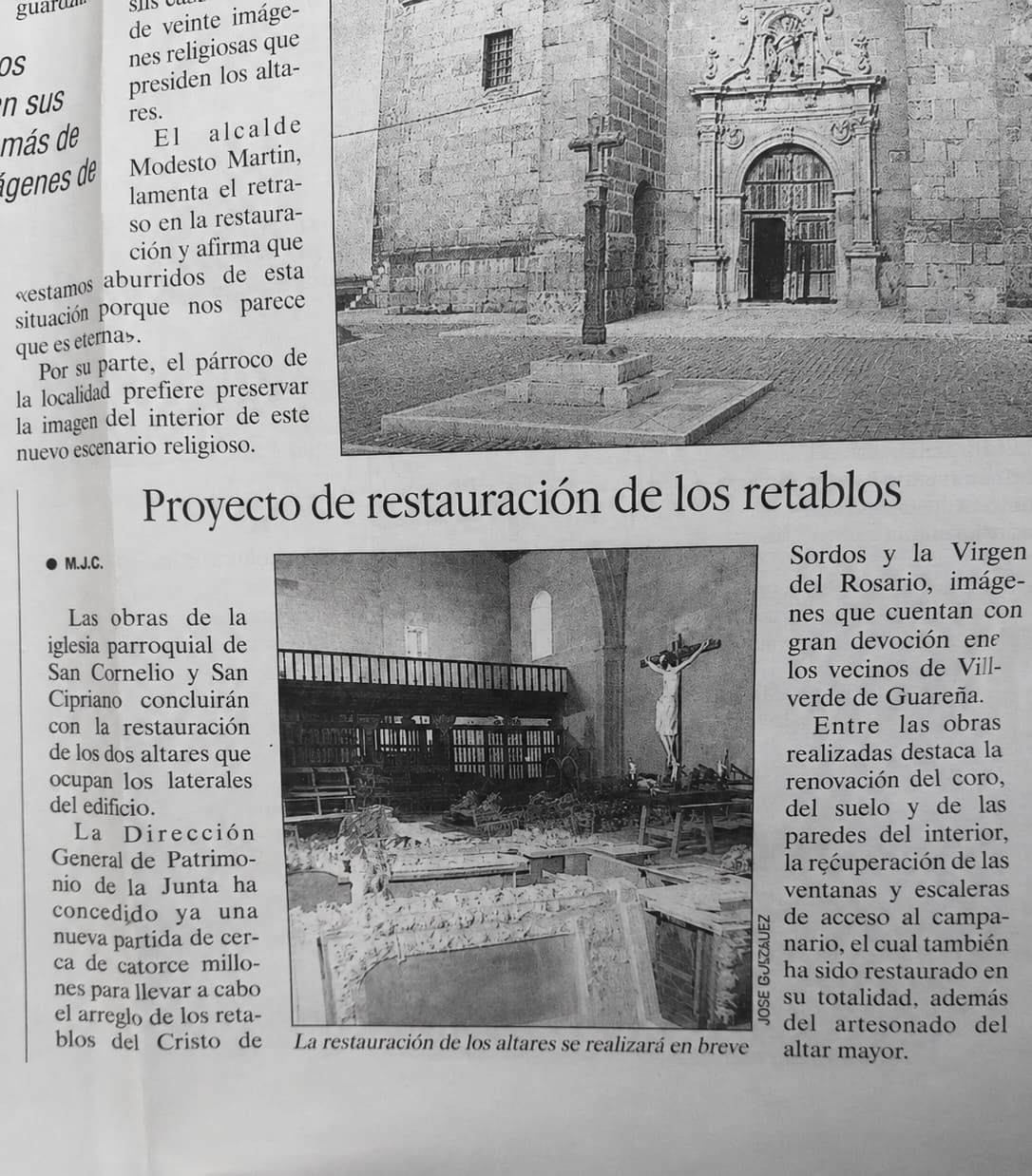
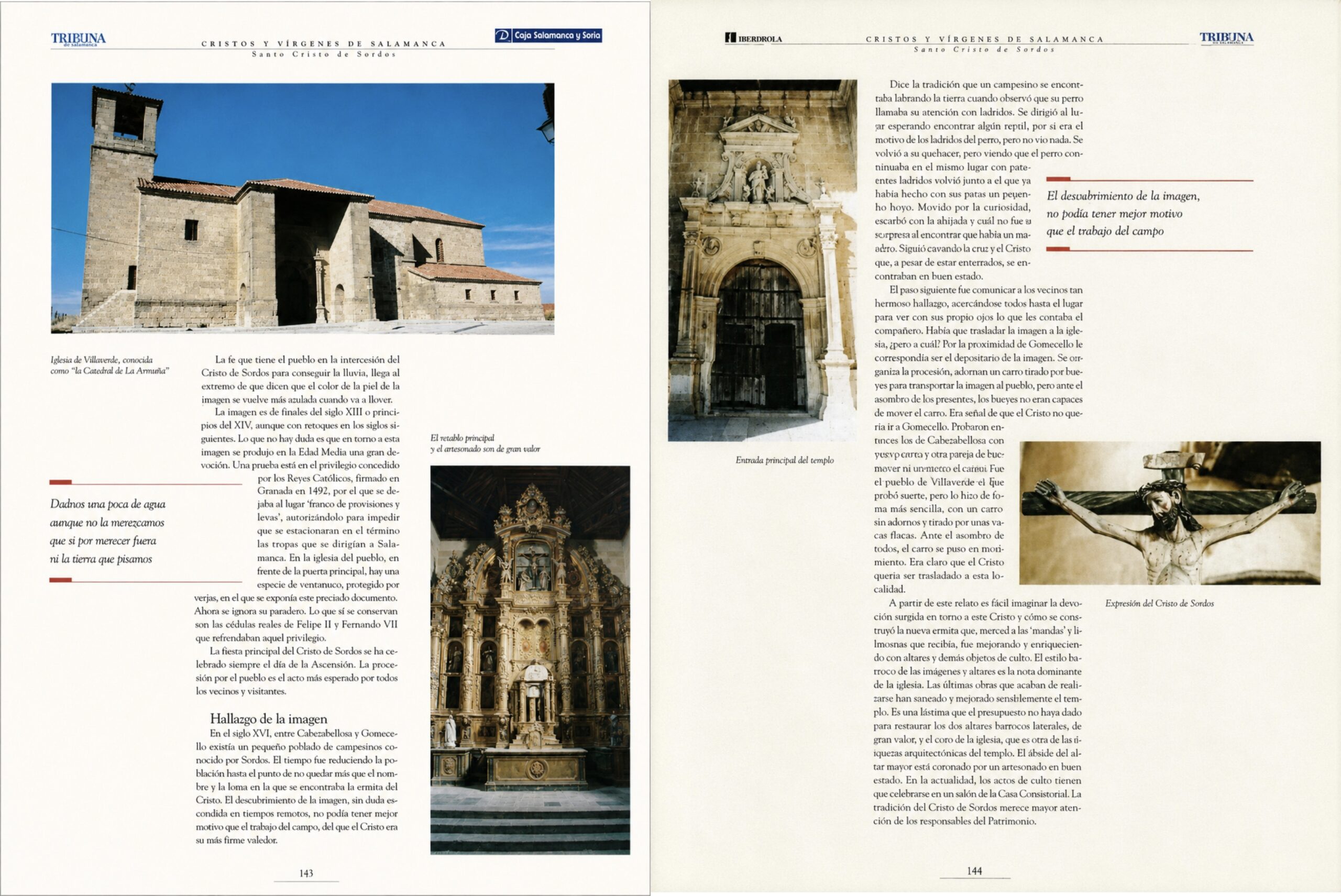
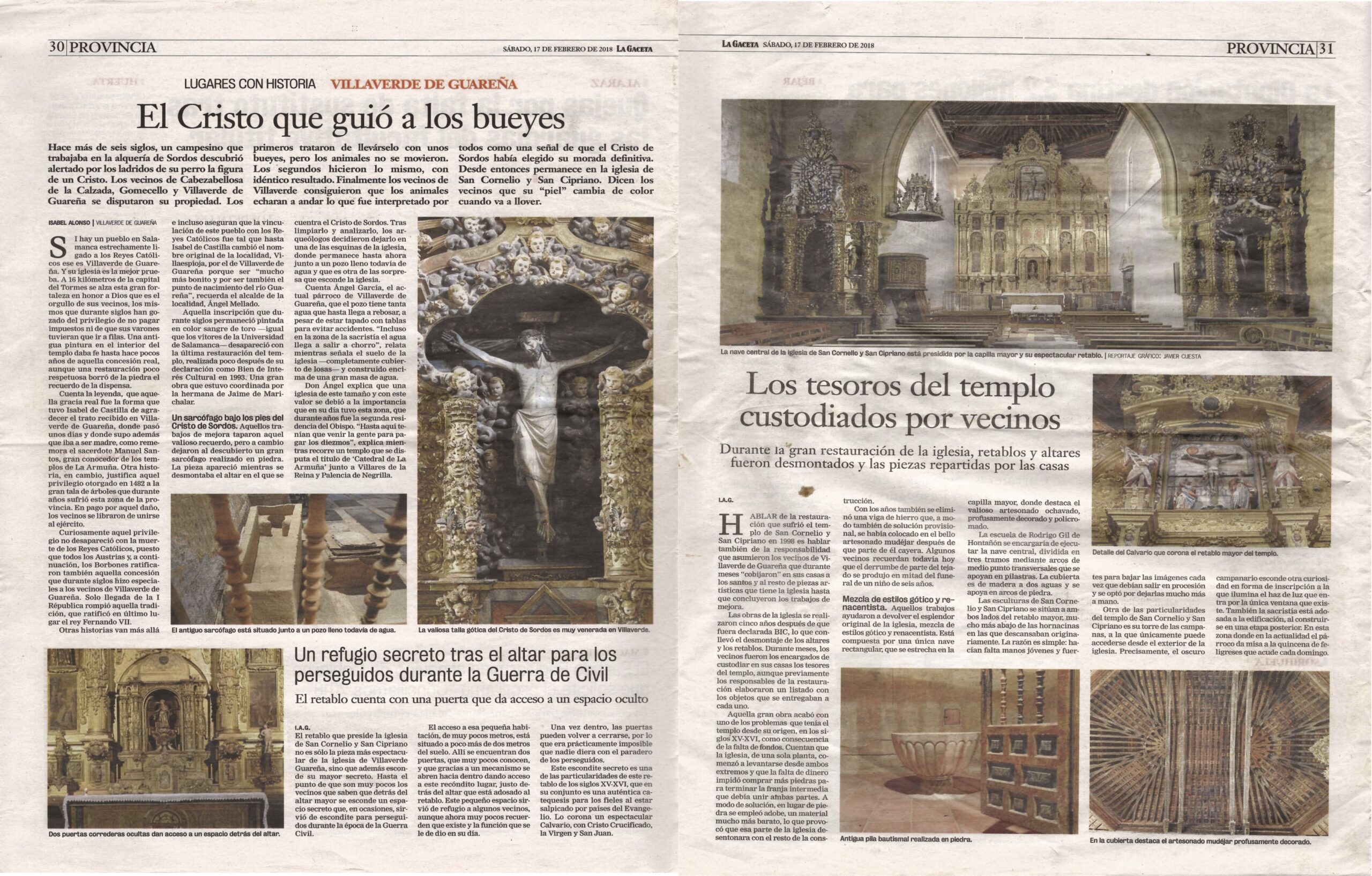
Newspaper Clippings
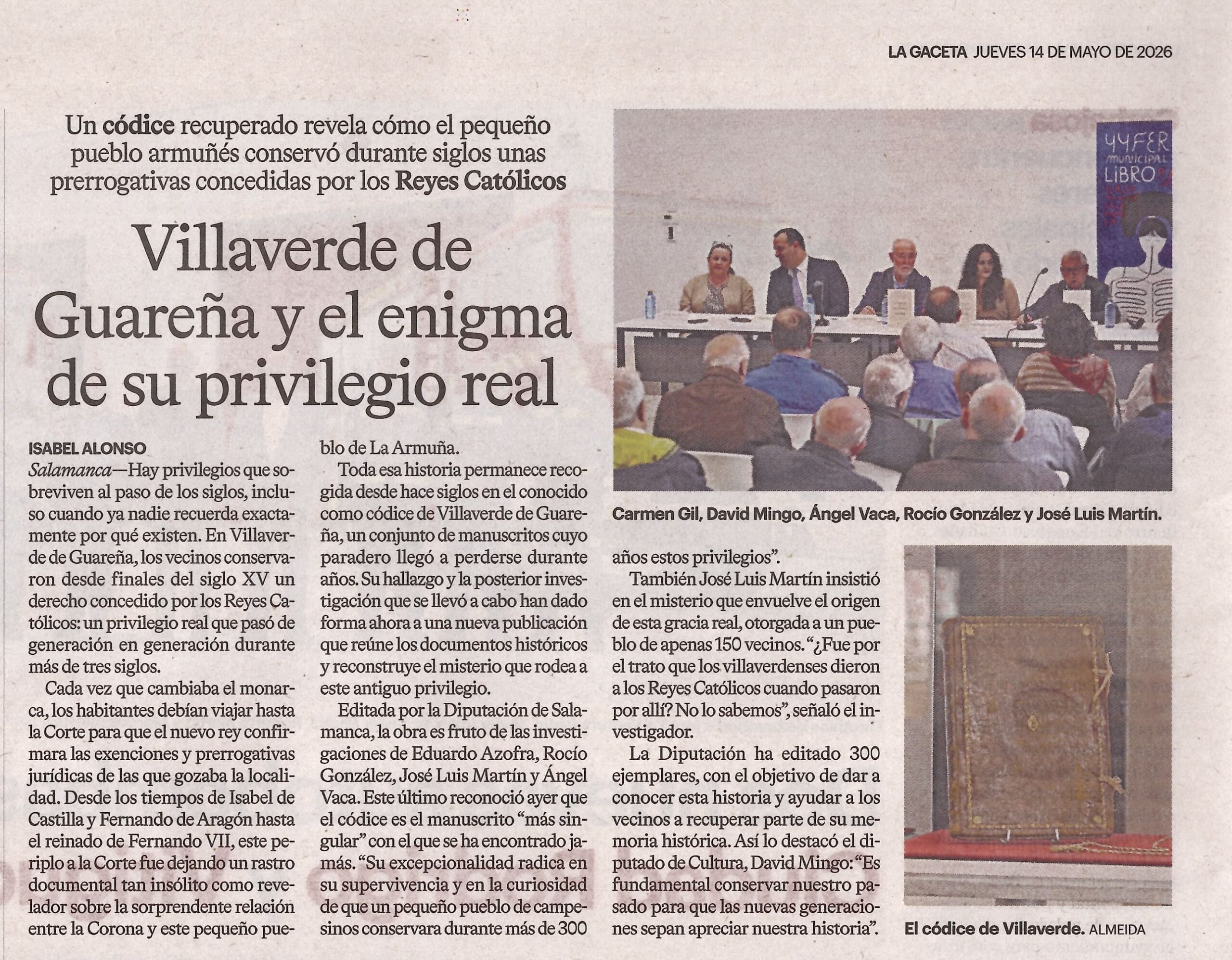
Bibliographies
↓ Estudio y propuesta de intervención sobre el privilegio concedido por los Reyes Católicos a Villaverde de Guareña, 2023
↓ Estudio y propuesta de intervención de sagrario con forma de pelícano de la Iglesia de San Cornelio y San Cipriano, 2021
↓ Presentación del códice a Villaverde - 14 de julio de 2024
↓ Memoria de la restauración del Cristo de Sordos en el Centro de conservación y restauración de Bienes Culturales de Castilla y León, 1990
↓ Historia y descripción de la Iglesia de San Cornelio y San Cipriano (José María Marcos Herrero, 1928)
↓ Memoria de restauración de la Iglesia de San Cornelio y San Cipriano de Villaverde de Guareña (Salamanca, 1992-1994)
Image Gallery